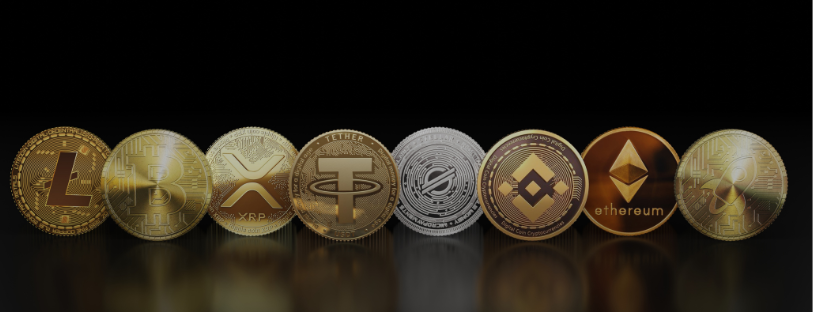
Over the past decade, cryptocurrency has come to be a substantial part of the monetary landscape. What began with Bitcoin in 2009 has now developed right into a large ecosystem of electronic currencies, each with unique features and purposes. Purchasing cryptocurrency can be a profitable venture, but it needs a solid understanding of the market, the underlying modern technology, and the approaches that can bring about success. This thorough guide intends to offer you with the expertise and devices required to begin your journey into cryptocurrency investing.
Chapter 1: Understanding Cryptocurrency
1.1 What is Cryptocurrency?
Cryptocurrency is an electronic or digital kind of currency that utilizes cryptography for safety. Unlike standard currencies issued by governments (fiat currencies), cryptocurrencies operate decentralized networks based upon blockchain innovation– a distributed ledger that records all deals throughout a network of computers.
1.2 The Birth of Bitcoin
Bitcoin, produced by a confidential entity referred to as Satoshi Nakamoto, was the initial cryptocurrency. It was presented in a 2008 whitepaper titled “Bitcoin: A Peer-to-Peer Electronic Cash System.” Bitcoin’s key development was the use of blockchain technology to achieve decentralized agreement, eliminating the requirement for intermediaries like financial institutions.
1.3 The Rise of Altcoins
Complying with Bitcoin’s success, thousands of alternative cryptocurrencies (altcoins) have been created. Several of the notable ones include Ethereum, Ripple (XRP), Litecoin, and Cardano. Each altcoin offers various objectives and offers numerous attributes, such as clever agreements, faster deal rates, or improved privacy.
1.4 Blockchain Technology Explained
Blockchain is the backbone of cryptocurrencies. It’s a decentralized and unalterable ledger that records all deals across a network of computer systems. Each block in the chain has a checklist of deals and is linked to the previous block through a cryptographic hash, making certain the stability and security of the information.
The cryptocurrency market is very volatile and affected by numerous elements, including regulative news, technological developments, market belief, and macroeconomic fads. Comprehending these characteristics is crucial for effective investing.
2.2 Market Capitalization
Market capitalization (market cap) is a key metric in reviewing cryptocurrencies. It is computed by increasing the current price of the cryptocurrency by its overall circulating supply. A bigger market cap typically suggests a more established and stable cryptocurrency.
2.3 Trading Volume
Trading volume gauges the total quantity of a cryptocurrency traded within a specific duration. High trading quantity generally suggests solid passion and liquidity, making it much easier to buy and sell the possession.
2.4 Understanding Bull and Bear Markets
Bull markets are defined by climbing costs and favorable belief, while bearishness involve dropping rates and unfavorable view. Recognizing these market cycles can assist investors make notified choices.
Phase 3: Getting Started with Cryptocurrency Investing
3.1 Setting Investment Goals
Before diving into cryptocurrency investing, it’s essential to set clear investment objectives. Are you seeking short-term gains, lasting riches build-up, or a diversified portfolio? Your goals will certainly influence your financial investment strategy.
3.2 Risk Management
Cryptocurrency investing is inherently dangerous due to the market’s volatility. Executing danger management approaches, such as diversifying your profile, setting stop-loss orders, and just investing what you can pay for to shed, is essential.
3.3 Research and Education
Knowledge is power worldwide of cryptocurrency. Continually educating yourself through publications, on the internet programs, webinars, and complying with industry news will certainly aid you stay informed and make better investment choices.
3.4 Choosing a Cryptocurrency Exchange
Cryptocurrency exchanges are systems where you can purchase, market, and professional electronic assets. A few of the most preferred exchanges consist of Binance, Coinbase, Kraken, and Bitfinex. When selecting an exchange, consider factors like safety, costs, readily available cryptocurrencies, and customer experience.
A cryptocurrency whitepaper supplies in-depth info regarding its objective, modern technology, and team. Analyzing the whitepaper can provide you understandings right into the job’s possible and authenticity.
4.2 Evaluating the Team
The success of a cryptocurrency task usually relies on the group’s expertise and experience. Research the histories of the owners, developers, and consultants to examine their trustworthiness and record.
4.3 Use Case and Market Demand
Recognizing the use case and market demand for a cryptocurrency is essential. Is the task solving a real-world trouble? Is there a growing demand for its option? These concerns can assist in identifying the project’s possibility for success.
4.4 Partnerships and Collaborations
Collaborations with well-established firms or institutions can include integrity and increase the fostering of a cryptocurrency. Try to find news and cooperation that could favorably impact the job’s development.
Chapter 5: Technical Analysis
5.1 Reading Price Charts
Cost graphs are graphical representations of a cryptocurrency’s price motions gradually. Discovering how to read and interpret these charts is essential for technological analysis.
5.2 Understanding Candlestick Patterns
Candlestick charts are commonly used in technological evaluation. Each candlestick represents the rate action within a particular timespan and can offer understanding into market view and prospective trend reversals.
5.3 Key Technical Indicators
There are numerous technical indicators utilized to assess cryptocurrency markets. Some of one of the most prominent consist of:
– Moving Averages (MA): Smooth out rate information to recognize fads.
– Relative Strength Index (RSI): Measures the rate and modification of cost movements to recognize overbought or oversold problems.
– MACD (Moving Average Convergence Divergence): Shows the connection between 2 relocating standards to determine potential buy or sell signals.
– Bollinger Bands: Use standard deviations to create upper and reduced bands around a moving standard, suggesting volatility.
5.4 Trend Analysis
Recognizing fads is important for making enlightened financial investment choices. Uptrends, drops, and sideways patterns can all provide valuable information about the market’s instructions.
Chapter 6: Building a Cryptocurrency Portfolio
6.1 Diversification
Diversifying your profile through various cryptocurrencies can help mitigate risk. Think about buying a mix of recognized coins like Bitcoin and Ethereum, in addition to appealing altcoins.
6.2 Asset Allocation
Establish the percent of your profile to designate to every cryptocurrency based upon your threat tolerance and financial investment goals. A well-balanced appropriation can provide security and development possibilities.
6.3 Rebalancing Your Portfolio
Consistently reviewing and rebalancing your portfolio makes certain that your investments align with your goals and market conditions. Rebalancing entails readjusting the proportions of your properties to keep your desired appropriation.
6.4 Long-Term vs. Short-Term Investments
Choose whether you wish to concentrate on lasting investments, short-term trading, or a combination of both. Long-lasting financial investments can provide security, while temporary trading can capitalize on market volatility.
Cryptocurrency pocketbooks are electronic devices utilized to shop, send out, and obtain electronic properties. There are different sorts of wallets, consisting of:
– Hot Wallets: Connected to the net and hassle-free for frequent transactions (e.g., mobile and web wallets).
– Cold Wallets: Offline and offer enhanced security for lasting storage (e.g., hardware and paper wallets).
7.2 Choosing the Right Wallet
Select a budget based on your protection needs and usage regularity. Hardware purses like Ledger and Trezor are prominent for their safety features, while software budgets like MetaMask and Trust Wallet offer convenience.
7.3 Securing Your Investments
Take steps to secure your cryptocurrency investments, such as enabling two-factor verification (2FA), making use of solid passwords, and maintaining your personal keys and healing expressions secure.
7.4 Avoiding Scams and Fraud
The cryptocurrency market is swarming with rip-offs and deceptive plans. Beware of phishing strikes, Ponzi systems, and fake ICOs (Initial Coin Offerings). Always confirm the authenticity of a job before spending.
Chapter 8: Regulatory Environment
8.1 Global Regulatory Landscape
Cryptocurrency policies differ by country and are continually advancing. Keep informed about the regulative environment in your area to make certain conformity and comprehend potential threats.
8.2 Tax Implications
Cryptocurrency investments may have tax obligation ramifications, depending on your jurisdiction. Seek advice from a tax obligation expert to recognize your commitments and ensure correct reporting.
8.3 Anti-Money Laundering (AML) and Know Your Customer (KYC) Requirements
Numerous cryptocurrency exchanges and systems execute AML and KYC procedures to prevent prohibited tasks. Be prepared to supply identification and confirmation documents when utilizing these services.
Chapter 9: Advanced Investment Strategies
9.1 Staking
Staking includes participating in a proof-of-stake (PoS) network by holding and “betting” a particular amount of cryptocurrency to support network operations and make rewards.
9.2 Yield Farming and Liquidity Mining
Yield farming and liquidity mining are approaches utilized in decentralized finance (DeFi) to earn rewards by providing liquidity to decentralized exchanges (DEXs) or offering systems.
9.3 Initial Coin Offerings (ICOs) and Token Sales
Taking part in ICOs and token sales can provide early access to encouraging tasks. However, it likewise comes with high risks, as several tasks fall short of delivering on their promises.
9.4 Arbitrage Trading
Arbitrage trading entails capitalizing on price distinctions in between various exchanges or markets. This approach calls for fast execution and a good understanding of market dynamics.
Phase 10: Keeping Up with the Market
10.1 Staying Informed
The cryptocurrency market is regularly progressing. Remain notified by complying with industry news, joining online areas, and signing up for e-newsletters and podcasts.
10.2 Networking and Community Involvement
Involve with the cryptocurrency neighborhood through discussion forums, social media sites, and neighborhood meetups. Networking can provide valuable understanding, support, and prospective investment chances.
10.3 Learning from Mistakes
Blunders are inescapable in cryptocurrency investing. Gain from your experiences and continuously refine your methods to boost your possibilities of success.
Conclusion
Buying cryptocurrency can be a gratifying endeavor, but it needs mindful research study, tactical planning, and constant education. By recognizing the market, using fundamental and technological evaluation, managing risks, and staying informed, you can navigate the unstable world of cryptocurrency and work towards attaining your financial investment objectives.